


Delivering care in every cup

We are a beloved tea brand known for its commitment to quality and the belief that sharing a cup of tea is a simple, yet meaningful way to show you care.

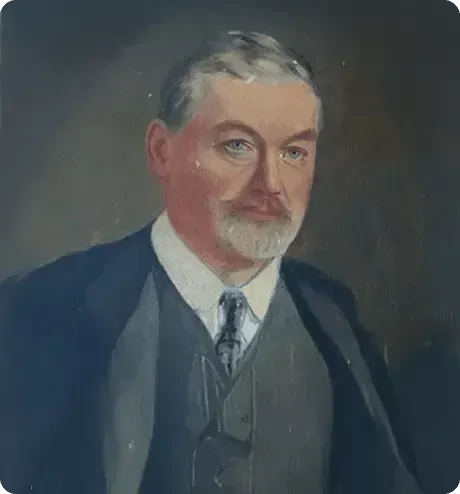
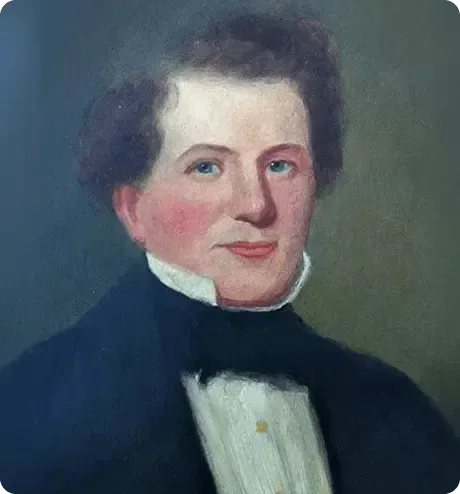
Founded in 1837 by the Tetley brothers in Yorkshire, England, Tetley has grown into a household name, bringing the people of Britain together, one cup at a time. Whether it’s catching up with a friend, comforting a loved one, or enjoying a quiet moment alone, Tetley believes that tea has the power to create connections and lasting memories.

Origins of Tea

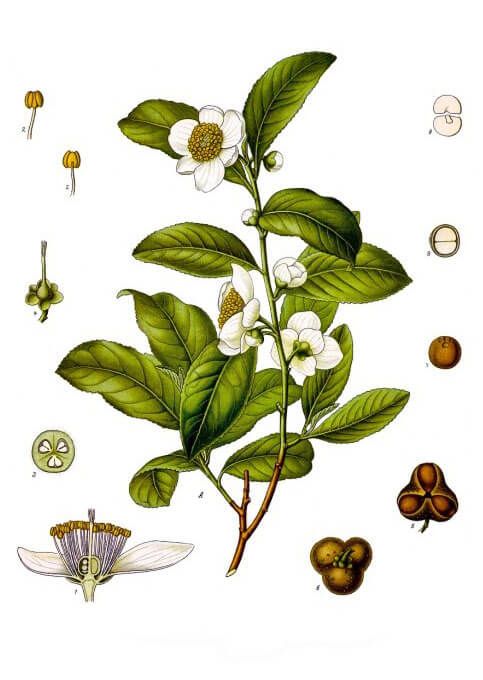
The tea we drink is derived from Camellia sinensis, an evergreen tree of theaceae family. As Camellia sinensis is indigenous to China and parts of India, each culture has a claim to the discovery of this popular beverage.

India's legend originates with a saintly priest named Bodhidharma. About 1,900 years ago, the eventual founder of Zen Buddhism was in the fifth year of a seven-year sleepless contemplation of Buddha.

Finding himself dangerously close to falling asleep, Bodhidharma snatched some leaves from a nearby bush and chewed them. He was immediately revived. Bodhidharma turned to these leaves—the leaves of a wild tea tree—whenever he again felt drowsy, and was thus, according to legend, able to complete his seven years of meditation.

Tea's popularity as a wholesome, invigorating drink first spread throughout China and Japan. The first book on tea, Ch'a Ching, was written by the Chinese author Lu Yu in the eighth century.

A definitive, poetic manual that covers the cultivation and production of tea, it is credited with helping tea become China's national drink long before it was ever tasted in the West.

The History of Tetley

2737 BC

The Chinese Emperor Shen Nung is sitting under a large tea plant (Camellia sinensis) while his servant boils drinking water. Some leaves from the tree blow into the water, an accidental infusion takes place, and the cup of tea is born. Well, that’s the legend, anyway!
2737 BC
600AD

By now, tea is the national drink of China. It's manufactured in a brick form: the tea leaves are pounded and pressed into a brick-shaped mold and then dried.
600AD
1600s

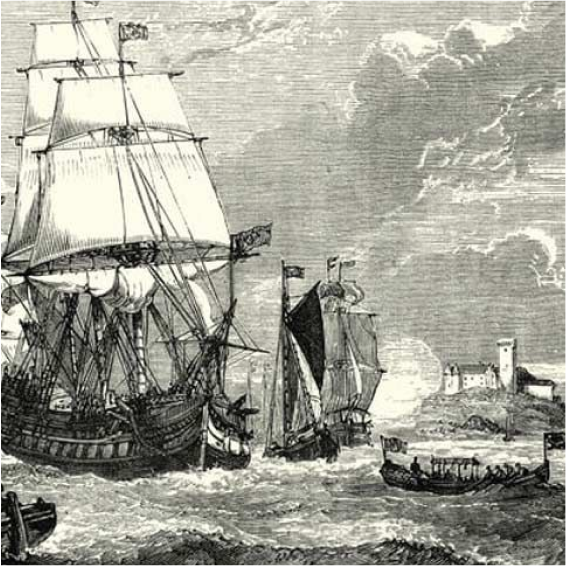
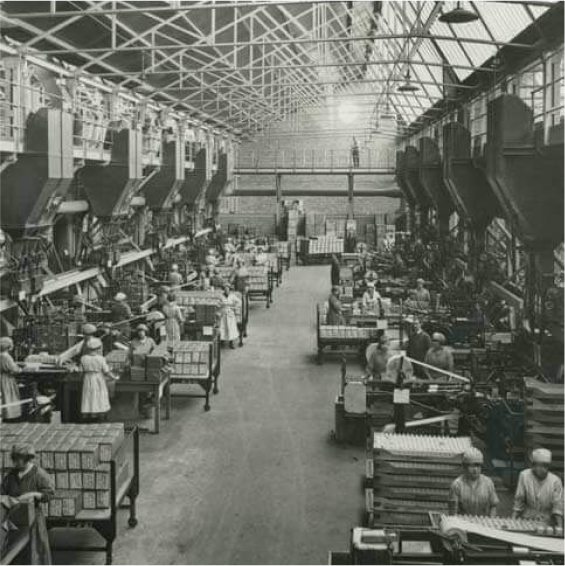
In the 1600s, the British East India Company had a monopoly on importing goods from outside Europe. Tea’s popularity was spread by sailors bringing home tea as gifts.
1600s
1700s

Britain is now obsessed with tea, but taxes put it out of reach. 5 million lbs of tea is sold legally – but 7 million lbs is smuggled.
1700s
1800s

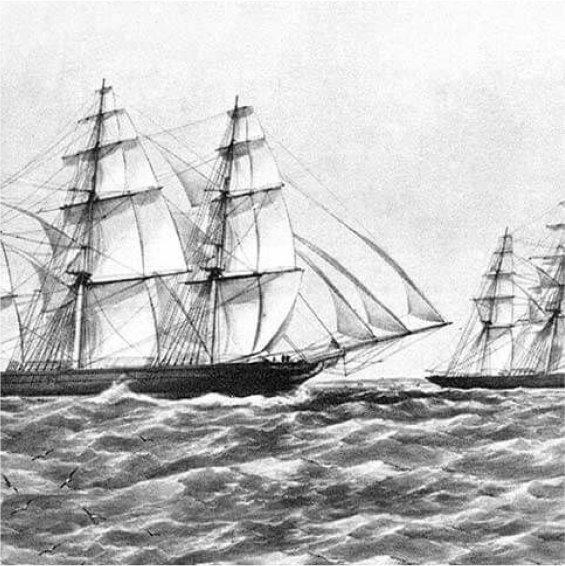
The famous clipper races begin in China and go down the China Sea, across the Indian Ocean, around the Cape of Good Hope, up the Atlantic, past the Azores, and into the English Channel. The clippers are then towed up the River Thames by tugs, and the first ship to throw its cargo onto the docks is the winner.

1800s
1900s

At the St. Louis World’s Fair of 1904, a heat wave leads tea planter Richard Blechynden to add ice to his tea. It causes a sensation, and iced tea is born.
1900s
2004

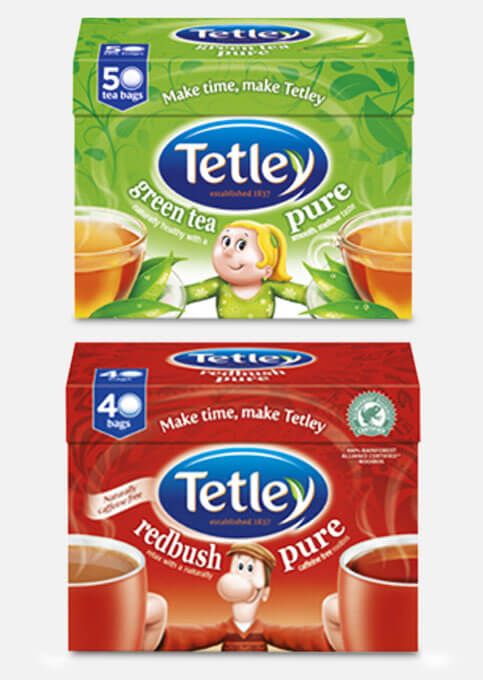
A delicious blend of Asian and African green tea leaves, sourced from high altitude plantations, gives Tetley’s Pure Green its smooth, mellow taste.
2004
2007

Carefully sourced from the Cederberg region of South Africa and perfect for our caffeine-free tea lovers, Tetley launched Pure Redbush.
2007
2010

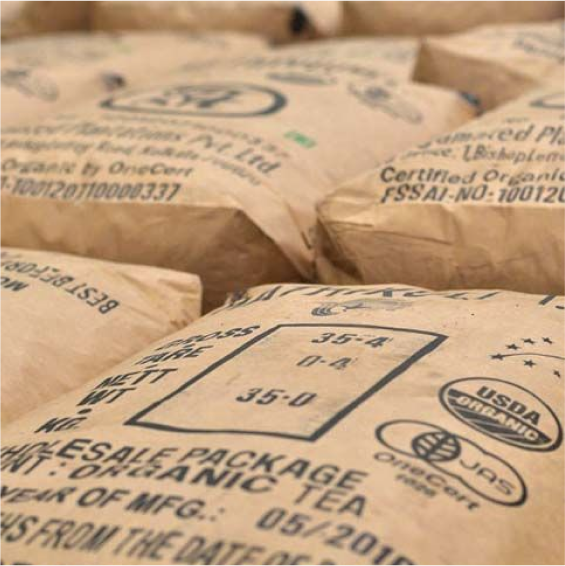
Every week, Tetley buys one million kilos of tea for making countless cups of Tetley tea that the world enjoys every day.
2010
2014

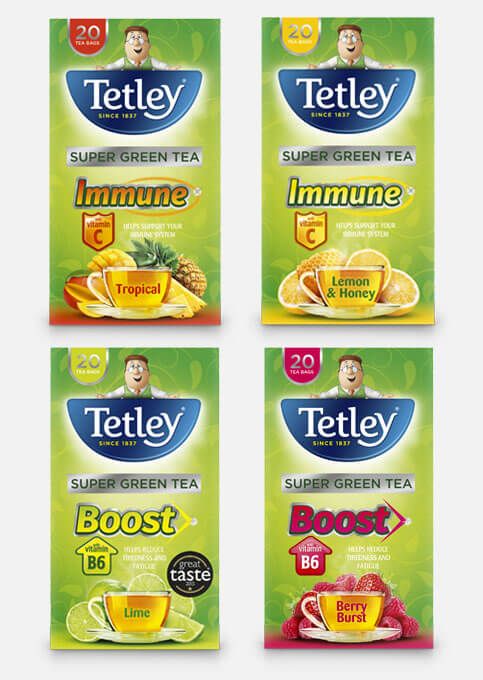
Tetley launched the innovative Super Tea range, with added vitamins to help support immune systems or to help reduce tiredness and fatigue.

2014
2015

Tetley unveiled a brand refresh with a new logo across all products and communications.

2015
2016

Gordon Bruce (@gordonbruceart) shared a “brewtiful” piece of art featuring the Tetley van.

2016
2025
Tetley launches new premium range
2025

Ready for Your Next Cuppa?

Find Tetley at your local supermarket or online. Every cup is brewed with care, crafted for you.